
Research
We study algorithms for chip design and computing systems, bringing together learning, optimization, and physical models. Across digital, analog, and RF systems, we look at how algorithmic choices shape circuits and their physical implementation.
Learning and optimization for design
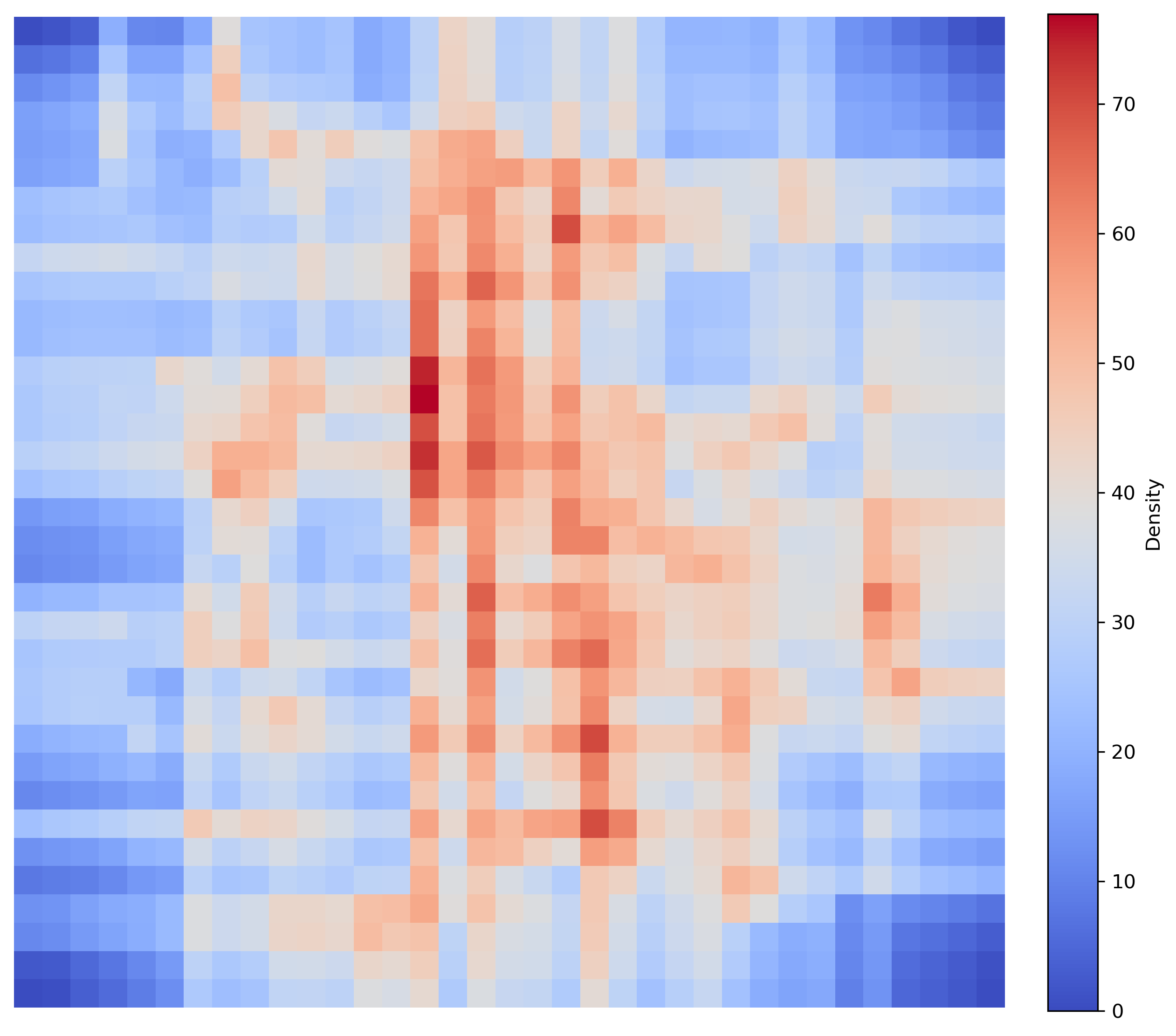
We combine learning and mathematical optimization for high-level and logic synthesis. To guide the search through large design spaces, we use the structure of programs and circuits, along with feedback from synthesis and physical design tools.
Co-design across abstraction layers
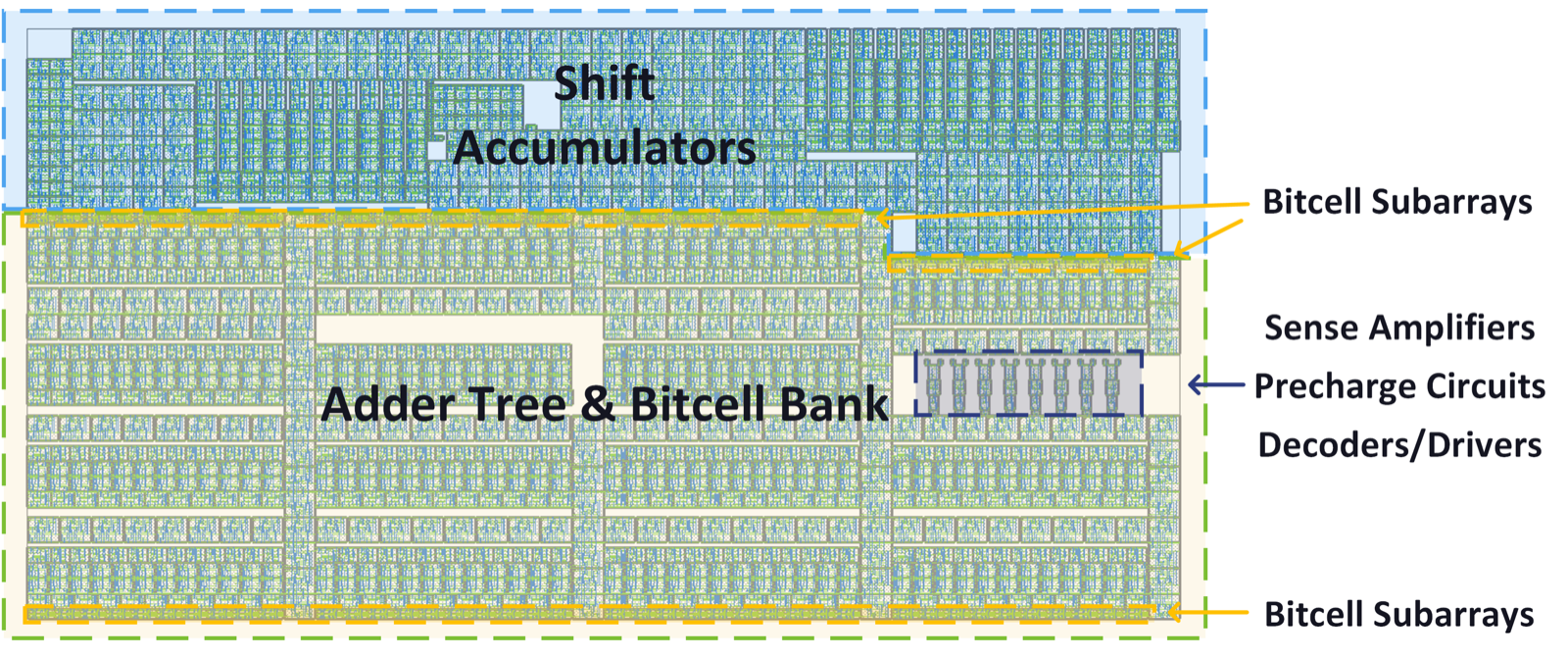
We study how choices in logic, dataflow, and packaging affect the resulting design. We bring physical-design feedback into synthesis, account for dataflow when generating computing-in-memory layouts, and include manufacturing constraints in chiplet placement.
- PhyLS — AI-driven physically aware synthesis · FCS 2026
- DAMIL-DCIM+ — dataflow-aware digital CIM layout synthesis · TCAD 2025
- ULTRA-2.5D — large-scale multi-reticle chiplet placement · TCAD 2026
Analog and RF design
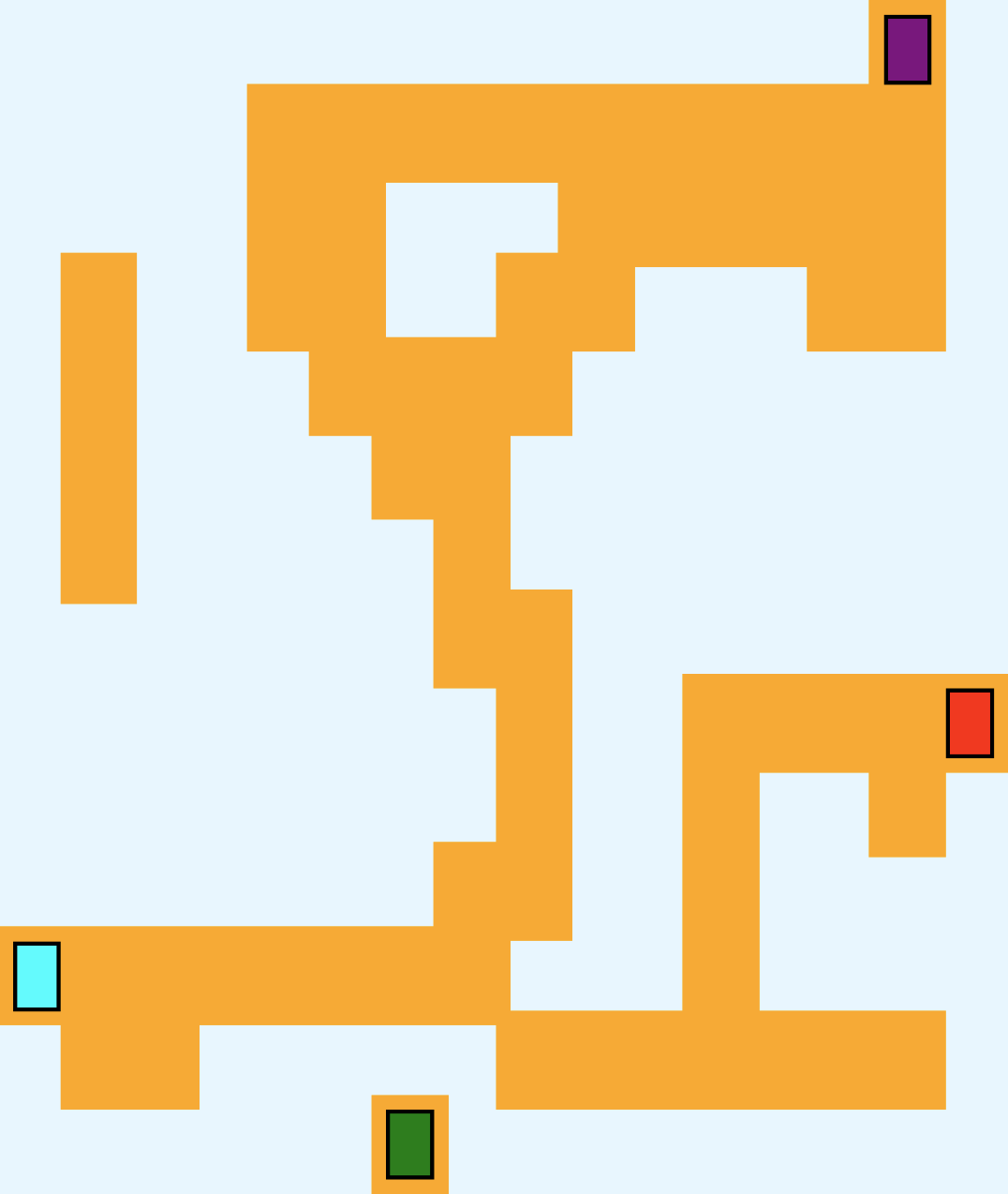
We study analog and RF design by considering circuit behavior, device choices, and geometry together. Our work includes circuit sizing, layout synthesis, and physics-informed models for RF inverse design. We also develop open tools and benchmarks to make these problems easier to study and compare.